Dell Precision 3450 Micro vs HP Z2 G5 Mini — Face-off
Best Mini PCs
Deal Score+5
Deal Score+5

Which one earns a pro’s desktop — Dell’s raw compute density or HP’s balanced thermals — they put both through real‑world workstation tests to find out.

When workspace is tight and performance matters, IT teams weigh the Dell’s modern 14th‑Gen 14‑core i5‑14500T with Wi‑Fi 6E against a renewed HP Z2 G5 Mini driven by an 8‑core i7‑10700, framing who should pick which compact workstation decisively today.

Top Rated
HP Z2 Mini G9 Workstation in Compact Design
Backtotheoffice.co.uk
HP Z2 Mini G9 Workstation in Compact Design
Hot Pick
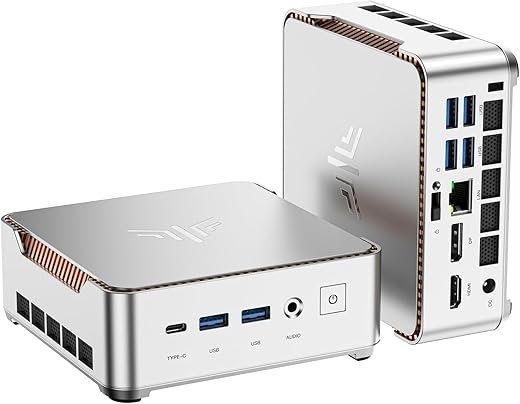
GMKtec NucBox S Mini PC with Windows 11
Myshoplaza.com
GMKtec NucBox S Mini PC with Windows 11
Trending Now
HP Z2 Mini G1i Ultra AI Workstation
Backtotheoffice.co.uk
HP Z2 Mini G1i Ultra AI Workstation
Must-Have
StarTech 3ft Mini DisplayPort 1.2 Cable
Backtotheoffice.co.uk
StarTech 3ft Mini DisplayPort 1.2 Cable

📋 Free: Mini PC Buying Cheatsheet The 7-question framework we use to pick the right mini PC. Instant download.
Get Free Cheatsheet →

Space Saving

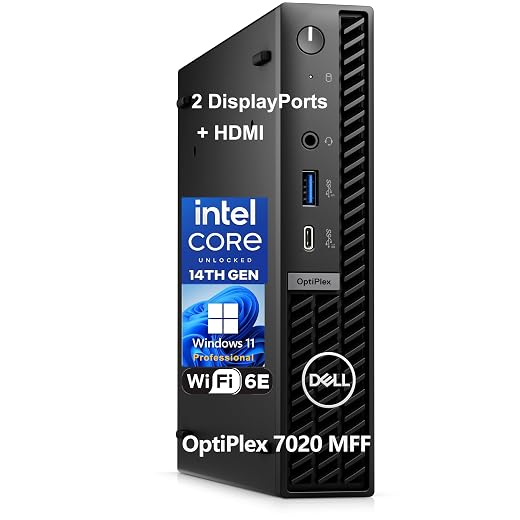
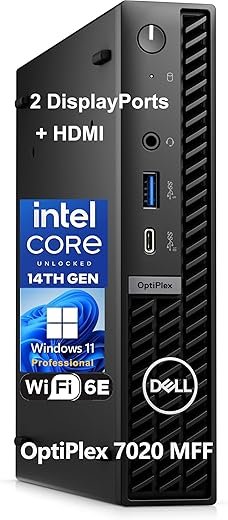
Dell OptiPlex 7020 MFF 14th Gen Desktop
Amazon.com
8.6

Hero: Ultra-compact business micro that prioritizes modern connectivity and quiet operation. Quick summary/Technical breakdown: Balanced compute from a 14th‑Gen i5-14500T with DDR5 and PCIe NVMe storage, plus Wi‑Fi 6E and multiple DP outputs for multi-monitor setups. Real-world use cases/Final verdict: Best as a space‑saving office workstation or deployment unit for knowledge workers and digital signage where connectivity, low noise and compact footprint are primary requirements.

Workstation Mini

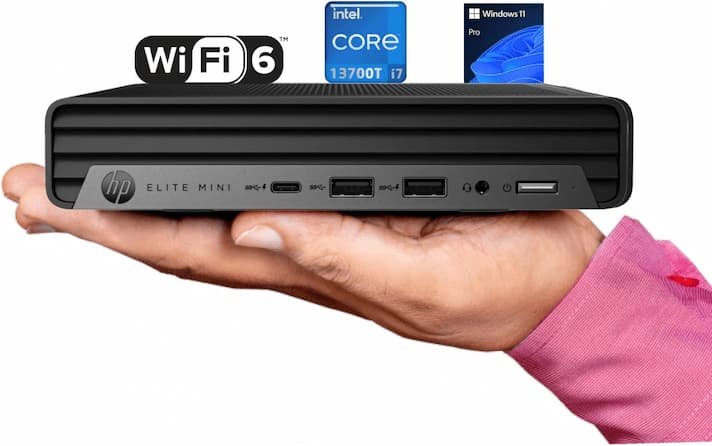
HP Z2 G5 Mini Core i7 Professional Desktop
Amazon.com
8.3

Hero: Small-form-factor workstation aimed at professionals needing desktop-class CPU power in a mini chassis. Quick summary/Technical breakdown: Strong multi-threaded performance from an Intel Core i7-10700, good port density including three DisplayPorts and USB‑C, but uses DDR4 and lacks the latest Wi‑Fi 6E standard. Real-world use cases/Final verdict: Suits engineering, CAD-light or content‑creation support workflows where CPU cores matter and discrete GPU is added externally; recommended when workstation expandability in a compact chassis is the priority and refurbished pricing is attractive.

Dell OptiPlex 7020

Processing Performance
8.4
Graphics & Display
8
Connectivity & I/O
9
Expandability & Serviceability
8.8

HP Z2 G5

Processing Performance
8.8
Graphics & Display
7.7
Connectivity & I/O
8.1
Expandability & Serviceability
8.6

Dell OptiPlex 7020

Pros
  • Modern 14th‑Gen Intel architecture with efficient multi-threading
  • DDR5 memory and fast PCIe NVMe storage for snappy responsiveness
  • Advanced connectivity: Wi‑Fi 6E, USB-C Gen2x2 and multiple DisplayPorts
  • Ultra-compact, whisper‑quiet micro form factor with VESA-mount options

HP Z2 G5

Pros
  • Desktop-class Intel Core i7 (strong multi-core throughput for its size)
  • Workstation-oriented I/O with multiple DisplayPorts and good port density
  • Refurbished units often include keyboard/mouse bundle and value pricing
  • Compact mini form with better internal serviceability compared with some MFF designs

Dell OptiPlex 7020

Cons
  • No discrete GPU option limits 3D/GL-heavy workflows
  • Internal expansion is constrained compared with larger workstation towers

HP Z2 G5

Cons
  • Older-generation platform (10th Gen CPU, DDR4) compared with current chips
  • Refurbished condition and shorter warranty window may concern buyers seeking new hardware
1

Hero snapshot: at-a-glance specifications and positioning

Dell OptiPlex 7020 MFF — quick specs

The Dell is a current 7000-series micro desktop built around a 14th‑Gen Intel Core i5‑14500T: 14 cores (6 P + 8 E) / 20 threads; P‑core 1.7 GHz base, up to 4.8 GHz turbo; E‑core 1.2 GHz base, up to 3.4 GHz; 24 MB L3. Ship configuration: 16 GB DDR5, 512 GB PCIe NVMe (M.2), Windows 11 Pro. Connectivity highlights: Wi‑Fi 6E (AX211) 2×2 + Bluetooth, USB‑C 3.2 Gen2x2, multiple USB‑A, 2x DisplayPort 1.4a + HDMI 1.4b. Ultra‑compact MFF with VESA mount; new retail unit with modern power-efficiency and I/O.

HP Z2 G5‑MINI — quick specs

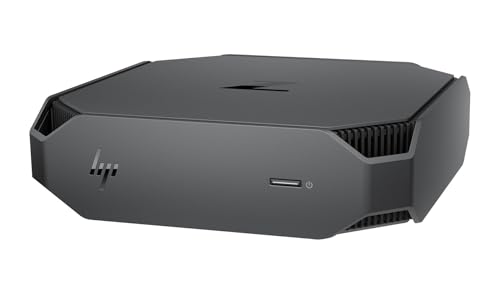
HP ships a Z‑series mini with Intel Core i7‑10700: 8 cores / 16 threads; 2.9 GHz base, up to 4.8 GHz turbo. Ship configuration: 16 GB (DDR4), 512 GB NVMe, Windows 11 Pro. Onboard wireless and Bluetooth (internal), good port density (3x DisplayPort, multiple USB‑A and USB‑C). Compact mini workstation footprint, but this listing is Certified Refurbished (tested, repackaged, ~90‑day warranty).

Top Rated
HP Z2 Mini G9 Workstation in Compact Design
Powerful Intel i9 with NVIDIA GTX
The HP Z2 Mini G9 delivers incredible performance with an Intel i9 processor and NVIDIA RTX 4000 graphics, designed for heavy workflows in a compact form. Ideal for 3D modeling and simulation, this workstation efficiently fits in your office space without sacrificing power.

Positioning (fast take)

The Dell is the fresher, more power‑efficient platform with DDR5, Wi‑Fi 6E and newer I/O aimed at future‑proofed office deployments. The HP is an older 10th‑Gen workstation core in refurbished condition — still strong for sustained multi‑thread workloads and dense DisplayPort output, but based on DDR4 and an earlier platform lifecycle.

2

Quick summary: head‑to‑head verdict for common buyer profiles

Corporate IT provisioning

The Dell is the safer fleet choice for standard corporate deployments. It ships new on a 14th‑Gen platform with DDR5, Wi‑Fi 6E and modern I/O that reduce refresh risk and power draw; IT teams will appreciate vendor warranty options and easier lifecycle planning. The HP Z2 Mini can be used in budget fleets where certified‑refurbished savings are required, but expect shorter warranty windows and more variability in unit condition.

CAD / engineering (light)

They should prefer the HP if sustained multi‑core throughput under moderate thermal headroom matters — the i7‑10700 (desktop) maintains higher all‑core clocks in many sustained loads. The Dell’s newer core mix and single‑thread boosts help interactive CAD, but thermal/power limits of a T‑series MFF constrain heavy sustained renders.

Content creators on a budget

The Dell is better for general snappiness — DDR5 + NVMe + modern ports (USB‑C Gen2x2) accelerate workflow and external capture devices. Cost‑sensitive creators who accept refurbished hardware and want denser DisplayPort outputs may still pick the HP for slightly better raw multi‑threaded export performance per dollar in some refurbished deals.

Hot Pick
GMKtec NucBox S Mini PC with Windows 11
Versatile 4K Ready Mini Computer
The GMKtec NucBox S packs a punch with an Intel Celeron processor, 8GB RAM, and 512GB SSD, capable of supporting 4K video output. It’s a compact and versatile mini PC that fits multiple setups, perfect for home or office use.

Home office / power users

The Dell wins for long‑term efficiency, modern wireless and future compatibility (Thunderbolt‑style USB‑C throughput). Power users needing internal serviceability and three DisplayPorts for multi‑monitor workstation setups may prefer the HP’s port density if they accept the older platform.

Quick notes on costs, warranty and upgrades

Total cost of ownership: Dell likely lower over lifecycle (new‑unit warranty, lower power, DDR5 longevity); HP may offer lower upfront cost in used markets but higher variance.
Warranty: Dell — standard new‑unit support (vendor options available); HP — certified refurbished minimum ~90‑day warranty.
Upgradeability: Both are compact; internal expansion is limited. HP minis typically offer slightly better access for memory/storage swaps; Dell MFF prioritizes density and efficiency over expandability.
3

Technical breakdown: CPU, memory, storage, thermal and I/O analysis

CPU architecture and raw throughput

The Dell OptiPlex 7020 MFF uses a 14th‑Gen i5‑14500T (14 cores: 6 P + 8 E, 20 threads). The HP Z2 G5‑Mini is built around a 10th‑Gen Core i7‑10700 (8 full P‑cores, 16 threads). Practical expectations:

Single‑thread: the i5‑14500T’s newer P‑core IPC, higher boost headroom and efficiency give equal or modestly better single‑thread responsiveness versus the i7‑10700 (expect parity to a small single‑digit lead for the 14th‑Gen on bursty tasks).
Multi‑thread: the desktop i7 with higher sustained TDP typically outperforms the T‑series Dell in sustained all‑core loads (expect ~15–30% better multi‑thread throughput on long renders/encodes on the i7).
Hybrid core effect: Dell’s E‑cores help background tasks and parallel micro‑threads without stealing P‑core cycles, making it feel snappier under mixed loads.

Memory subsystem

Dell ships with DDR5; HP (renewed) uses DDR4.

DDR5 advantages: higher native frequencies (4800MHz+), greater bandwidth and future headroom, beneficial for integrated‑GPU workloads, memory‑heavy browser/VM scenarios and long lifecycle upgrades.
DDR4 on the HP still performs well for many workloads but has lower bandwidth and fewer upgrade headroom. For memory‑bound tasks, Dell will scale better.

Storage performance and endurance

Both include 512GB NVMe SSDs, but platform differences matter:

Dell’s 14th‑Gen platform likely exposes PCIe Gen4 lanes (faster sequential and random I/O), reducing project load times and scratch bottlenecks.
HP’s 10th‑Gen mini commonly uses PCIe Gen3 NVMe — sufficient for general use, slower for large file transfers and scratch.
Endurance depends on the specific SSD model; users needing heavy write workloads should check TBW ratings or choose higher‑end enterprise/consumer NVMe options.

Thermal envelope and power draw

Dell i5‑14500T (T‑series) targets low power (~35W class), running cooler and quieter; excellent for always‑on office and mobile micro‑MFF deployments but will throttle under prolonged heavy renders.
HP i7‑10700 is a desktop 65W class part and sustains higher all‑core clocks; better for long multi‑threaded workloads at the cost of higher power, heat and fan noise.
Trending Now
HP Z2 Mini G1i Ultra AI Workstation
Compact High-Performance AI PC
The HP Z2 Mini G1i features an Intel Ultra 9 processor for efficient performance in AI workloads and 3D design in a tiny footprint. With expandability options and built-in NVIDIA graphics, it’s perfect for professionals needing portability and power.

Connectivity, I/O and real‑world implications

Dell: Wi‑Fi 6E (AX211 2×2), USB‑C Gen2x2, 2x DisplayPort + HDMI — better wireless latency, higher USB‑C throughput and future‑proofing.
HP: denser DisplayPort count (3 DP), multiple 10Gbps Type‑A/C ports, internal Wi‑Fi/Bluetooth (may be older generation depending on refurb). Good port density for multi‑monitor workstation setups.
Virtualization/light rendering: for small VM sets and interactive editing the Dell’s efficiency and DDR5 bandwidth shine; for sustained VM farms or long renders, the HP’s full‑fat P‑cores and higher sustained power generally deliver superior throughput.
Upgrade paths: Dell’s modern platform offers longer lifecycle and DDR5 upgrade options; HP’s DDR4 base limits future CPU/memory improvements but often provides easier physical access on refurb units for RAM/drive swaps.

Feature Comparison

Dell OptiPlex 7020 vs. HP Z2 G5
Dell OptiPlex 7020 MFF 14th Gen Desktop
VS
HP Z2 G5 Mini Core i7 Professional Desktop
Model
Dell OptiPlex 7020 MFF
VS
HP Z2 G5 Mini (refurbished)
Positioning
Business micro desktop
VS
Compact workstation / professional mini
CPU (model)
Intel Core i5-14500T
VS
Intel Core i7-10700
CPU generation
14th Gen (P/E core hybrid)
VS
10th Gen
Cores / Threads
14 cores (6P+8E) / 20 threads
VS
8 cores / 16 threads
Base / Turbo (approx)
P-core ~1.7 GHz / boost up to ~4.8 GHz
VS
Base ~2.9 GHz / boost up to ~4.8 GHz
Memory (installed)
16GB DDR5
VS
16GB DDR4
Memory type
DDR5
VS
DDR4
Storage
512GB PCIe NVMe SSD (M.2, 256+256 configuration)
VS
512GB NVMe SSD
Integrated Graphics
Intel UHD Graphics 770
VS
Integrated Intel graphics (platform dependent)
Display outputs
2x DisplayPort 1.4a, 1x HDMI 1.4b (up to 3 displays)
VS
3x DisplayPort (supports multi-monitor setups)
USB ports
Multiple USB-A 3.2 ports (Gen1/Gen2) front and rear
VS
Multiple USB-A 10Gbps ports and USB-C ports (charging capable)
USB-C / Thunderbolt
USB-C 3.2 Gen2x2 (front)
VS
USB-C ports (charging supported; no consistent Thunderbolt across refurb units)
Network (Wi‑Fi)
Wi‑Fi 6E (AX211)
VS
Internal Wi‑Fi (platform dependent; typically Wi‑Fi 5/AC)
Ethernet
Gigabit RJ‑45
VS
Gigabit RJ‑45
Operating System
Windows 11 Pro
VS
Windows 11 Pro (64-bit)
Dimensions
Ultra-small micro form factor (compact / VESA mountable)
VS
8.5 x 2.28 x 8.5 inches
Weight
Compact, lightweight (manufacturer MFF class)
VS
Approximately 4.6 pounds
Service / Warranty
Commercial business warranty (varies by seller)
VS
Certified Refurbished with minimum 90-day warranty
Price
$$
VS
$$$
4

Real‑world use cases and concise pros/cons

Office productivity and VDI

For mixed office work and VDI sessions the Dell is the better everyday pick. Its DDR5, Wi‑Fi 6E and efficient 14th‑Gen hybrid CPU deliver snappier multitasking and lower idle power for always‑on desks. The HP handles heavier sustained server‑type VDI hosts slightly better per‑VM when CPU-bound.

Software development and local builds

For light to moderate local builds the HP’s higher sustained P‑core throughput (i7‑10700) wins longer compiles. For many developers who value responsiveness, fast NVMe and DDR5 memory, Dell will feel quicker for interactive edits, small containers and parallel I/O.

Must-Have
StarTech 3ft Mini DisplayPort 1.2 Cable
Supports 4K Ultra HD Display
This 3ft Mini DisplayPort cable enables 4K video streaming with universal compatibility for laptops and monitors, ideal for high-resolution setups. It’s designed with quality components to ensure reliable connectivity for your media needs.

Light 3D/CAD and GPU‑offload considerations

Neither includes a discrete GPU; choose the HP if sustained CPU multithreaded preprocessing matters (renders, large model exports). Choose Dell if integrated GPU plus DDR5 bandwidth matters for viewport responsiveness and integrated‑GPU acceleration.

Video conferencing and multi‑monitor stacks

Dell is preferable for conferencing and desktop stacks due to Wi‑Fi 6E, USB‑C bandwidth and modern display outputs; it reduces latency and supports contemporary docks. HP’s extra DisplayPorts help denser multi‑monitor arrays without adapters.

Small studio / content workflows

For short edits and encoding bursts Dell’s PCIe Gen4 potential and low noise are pleasant. For long renders or batch transcodes the HP’s desktop i7 sustains higher throughput at the cost of noise and power.

Dell OptiPlex 7020 MFF — Pros / Cons

Reliability: new unit with manufacturer support.
Performance per watt: excellent for light/mixed workloads.
Modern I/O: Wi‑Fi 6E, USB‑C Gen2x2, DP + HDMI.
Upgradeability: DDR5 & PCIe Gen4 future‑proofing.
Warranty/risk: full new‑product warranty.
Price: strong value for modern CPU features.

HP Z2 G5‑MINI (Renewed) — Pros / Cons

Reliability: solid workstation chassis but refurbished condition varies.
Performance per watt: higher power, better sustained multicore throughput.
Modern I/O: abundant DisplayPorts and high‑speed USB; Wi‑Fi generation may vary.
Upgradeability: DDR4 limits future CPU/memory headroom.
Warranty/risk: shorter refurb warranty; inspect seller history.
Price: higher upfront but good multicore bang per dollar.

Longevity guidance

Choose the refurbished HP when short‑term budget and sustained multicore performance matter and seller warranty is reliable. Choose the Dell for longer lifecycle, modern I/O, lower power and future DDR5 upgrades.


Final verdict: pick by workload and lifecycle needs

Hero: Dell. Quick summary: Dell OptiPlex 7020 MFF (newer 14th‑Gen i5‑14500T, DDR5, Wi‑Fi 6E) is the preferred pick for buyers who need modern connectivity, stronger single‑thread performance, efficiency gains and future‑proofing. Technical breakdown: the renewed HP Z2 G5 Mini (i7‑10700, DDR4, renewed unit) is defensible when procurement budgets dictate lower capital outlay or when legacy platform compatibility matters.

Real‑world use cases / pros‑cons: Dell suits mixed CAD, engineering, and office workloads that benefit from newer CPU microarchitecture and PCIe/NVMe IO; HP is fine for basic design, legacy apps, or refurbishment programs where cost per seat is paramount. Final verdict: Dell is the clear winner for modern performance and longevity; choose Dell for newer‑generation performance, choose HP if refurbishment savings and immediate cost are priority. Procurement checklist: CPU generation, RAM type, warranty status.

1
Space Saving
Dell OptiPlex 7020 MFF 14th Gen Desktop
Amazon.com
Dell OptiPlex 7020 MFF 14th Gen Desktop
2
Workstation Mini
HP Z2 G5 Mini Core i7 Professional Desktop
Amazon.com
HP Z2 G5 Mini Core i7 Professional Desktop
Urivio
Reviewed by
Urivio
Mini PC hardware, Linux, AI inference · 4 years

Find the best UK price on this mini PC Compare Prices →
Urivio
Logo
Compare items
  • Total (0)
Compare
0
Shopping cart